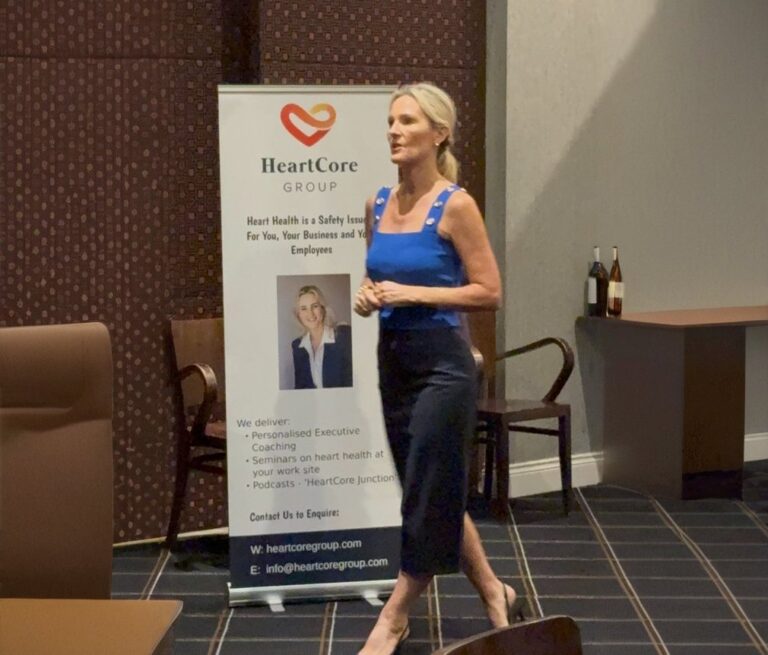
For over a decade, I have worked closely with individuals facing the realities of cardiovascular disease. From the high-intensity environment of Cardiology and Coronary Care hospital wards to the community setting of Cardiac Rehabilitation, I have seen firsthand the impact that heart disease has on individuals, their families and their livelihoods. The heart has always been my passion and through my years as a Clinical Nurse Consultant, I’ve observed that cardiovascular disease is largely preventable, yet it remains one of the leading causes of death around the world.
So why do so many people, particularly men, continue to ignore the warning signs? Why do we push our health aside until it’s too late? The answer often lies in lifestyle choices, daily habits and a lack of awareness. In my experience, understanding the connection between our actions and our heart health is the first step toward preventing heart disease.
Your Actions, Your Heart: How Everyday Choices Impact Cardiovascular Health
Most of us are familiar with the idea that every action has a consequence. Just as planting a seed leads to a tree, our daily habits, good or bad, shape our health outcomes. The heart is no different.
The cardiovascular system is incredibly resilient, but it is also vulnerable to the choices we make. The food we eat, the amount of physical activity we engage in, the way we manage stress and whether we smoke or drink alcohol, all contribute to either strengthening or weakening our heart.
Smoking – The Silent Killer
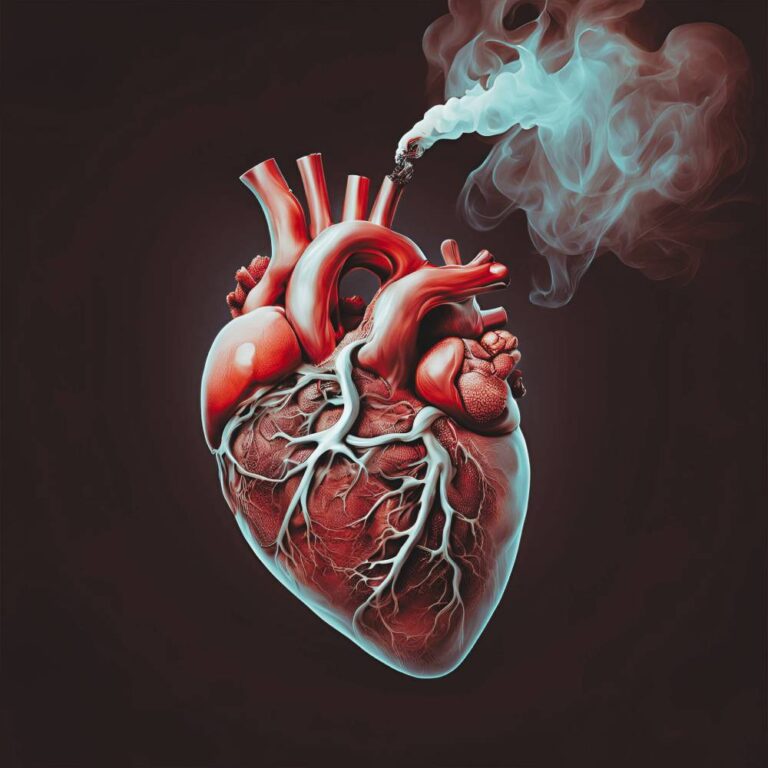
One of the most damaging things you can do to your heart is smoke. Cigarettes contain thousands of harmful chemicals that not only damage the lungs but also attack the inner lining of your arteries, causing inflammation and narrowing. Over time, this leads to atherosclerosis, a condition where plaque builds up, restricting blood flow and increasing the risk of heart attacks and strokes.
Quitting smoking isn’t just about avoiding lung cancer it is one of the best things you can do for your heart. Within weeks of quitting, your blood pressure starts to normalise and within a year, your risk of heart disease drops significantly.
Alcohol – More Harm Than Good
Many people enjoy a drink and while moderate alcohol consumption may not seem harmful, excessive drinking can have severe consequences on the heart. Regular heavy drinking can raise blood pressure, contribute to obesity, is cardio-toxic to the heart and increases the risk of developing cardiomyopathy, a condition where the heart muscle enlarges and weakens.
If alcohol is a part of your lifestyle, it’s important to drink in moderation. Excessive alcohol intake does far more harm than good.
Inactivity & Weight Gain – A Heavy Burden on the Heart
We are living in a time where sedentary lifestyles have become the norm. Many people in their 50s work in corporate jobs that demand long hours of sitting, minimal movement and high stress levels. This lack of physical activity contributes to weight gain, high cholesterol and high blood pressure, all of which place extra strain on the heart.
Being overweight forces the heart to work harder to pump blood around the body. Over time, this increases the risk of heart failure, stroke and diabetes. What’s the solution? Move more.
Even simple changes, like taking the stairs instead of the elevator, walking during lunch breaks, or incorporating short bursts of exercise into your daily routine, can have a profound impact on your heart health.
Stress – The Hidden Risk Factor
There’s no denying that life can be stressful. Whether it’s work pressures, financial strain, or family responsibilities, stress is something we all experience. But what many people don’t realise is that chronic stress has a direct effect on heart health.
When we feel stressed, our body releases cortisol, a hormone that helps us respond to immediate challenges. However, when cortisol levels remain constantly high, it leads to increased inflammation, higher blood pressure and a greater risk of cardiovascular disease.
Managing stress is crucial for heart health. Mindfulness, deep breathing exercises, regular physical activity and ensuring quality sleep are all effective ways to keep stress in check.
Prevention – The Key to a Healthy Heart
The good news? As I mentioned before, heart disease is largely preventable. Small changes today can lead to huge benefits in the future. Prevention is always better than treatment and the earlier we take control of our health, the greater the rewards.
Here are some simple steps to improve your cardiovascular health:
- Prioritise Physical Activity: Aim for at least 30 minutes of moderate exercise most days of the week. Choose something you enjoy, a brisk walk, a swim, cycling, or dancing.
- Eat Heart-Healthy Foods: Reduce saturated fats, processed foods and excessive sugar. Instead, focus on lean proteins, whole grains, nuts, fruits and vegetables.
- Monitor Your Blood Pressure & Cholesterol: High blood pressure and high cholesterol levels often have no symptoms, so regular check-ups are essential.
- Quit Smoking & Limit Alcohol: If you smoke, seek support to quit. If you drink, keep your drinking in moderation.
- Manage Stress & Sleep Well: Establishing a healthy work-life balance and prioritising sleep (7-9 hours per night) can significantly benefit your heart.
A Corporate Responsibility – Why Businesses Should Care About Heart Health
For businesses, cardiovascular health isn’t just a personal issue, it’s a corporate responsibility. Heart disease affects productivity, increases absenteeism and leads to higher healthcare costs.
Forward-thinking companies are beginning to prioritise employee wellness programs that promote heart health. Encouraging physical activity, offering healthy food choices and implementing stress management initiatives are just a few ways organisations can support their workforce.
A healthier team is a more engaged, energetic and productive workforce. Investing in cardiovascular health isn’t just about reducing healthcare costs, it’s about creating a culture that values well-being.
As someone who has spent years working with patients recovering from heart disease, I can’t stress enough the importance of prevention over cure. The heart is an incredible organ, but it requires care, attention and healthy habits to function at its best.
The choices we make today will determine our health tomorrow. Whether you are a corporate professional, an employer, or someone looking to improve your health, the message remains the same: act now.
Look after your heart and it will look after you.