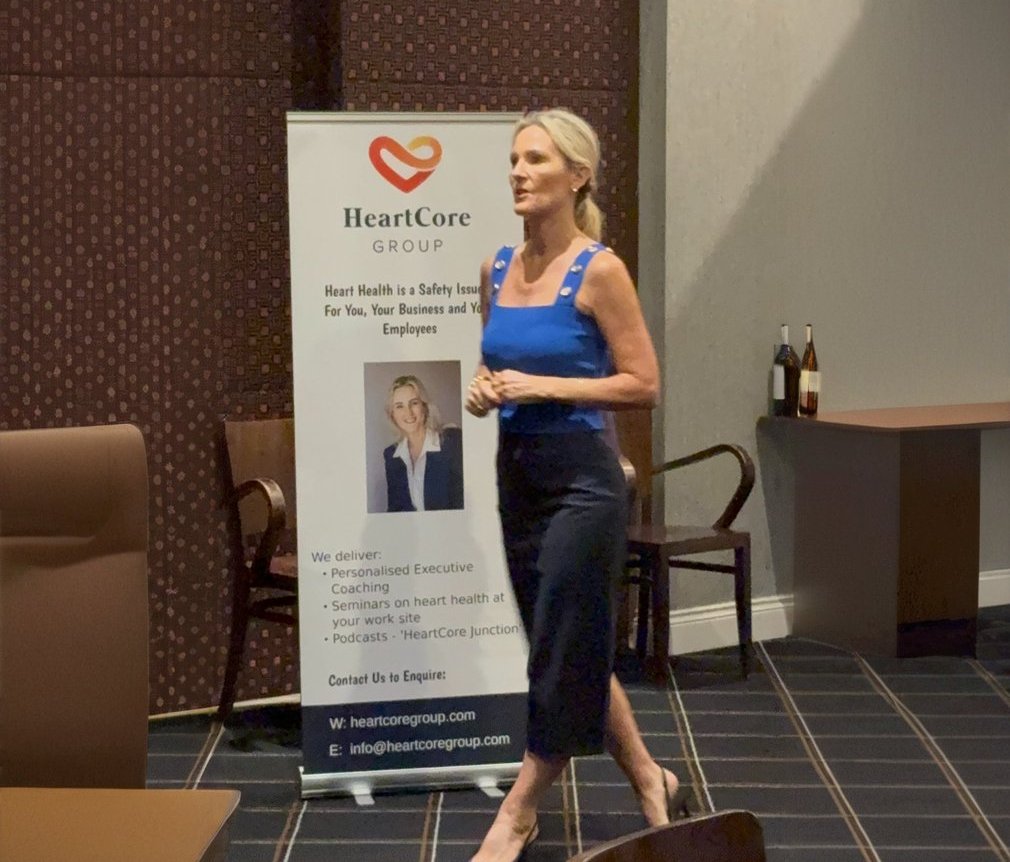
It’s always such a pleasure to me to be invited as guest speaker, presenting on cardiovascular disease and educating people on preventative measures we can all take to reduce our risk of heart disease. After all, 80% of coronary artery disease is preventable.
By making a few lifestyle and behaviour modification changes, you will start to see improved health results quickly.
1. Exercise
Aim for a goal of minimum 150 minutes per week of increased heart rate exercise, combining both resistance and aerobic. Simply put, this is 30 minutes 5 x pw. With people with range of movement (ROM) limitations, there are ways around this. For example, sit-to-stands in your office or dining chair. (Seek medical clearance if required).
2. Nutrition
80% of weight loss is what you eat. Follow a mediterranean diet, which consists of lots of fruit, vegetables and lean meats. Cut out processed foods. The old saying goes “the first two isles in a supermarket (fruit & veges) is real food”. The rest is pretend.
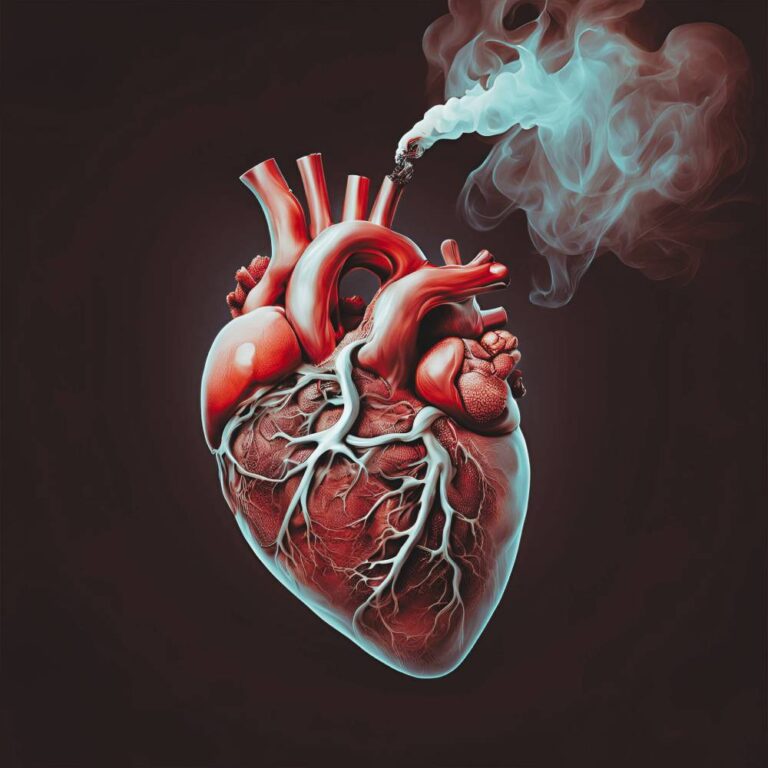
3. Quit smoking
No amount of smoking is good for heart health and that includes vaping. Alot of my clients would say they quit smoking, which is great, but they took up vaping instead. Vaping is heating hundreds of chemicals on a coil and studies found there is no regulation in the amount of nicotine in vape. Some vapes were found to have the equivalent of up to 40 cigarettes in one vape! So please aim at reducing now with the aim of quitting in the near future.
4. Alcohol
Excessive consumption of alcohol is cardiotoxic to the heart. It damages and inflames the endothelial lining of the arteries. Australian guidelines are 1-2 standard drinks with a maximum of 10 per week interspersed with dry non-alcohol days during the week.
5. Manage your Weight
Abdominal fat increases the risk of cardiovascular disease. For men a waist circumference of >94cm and for women >80cm increases the risk of CVD and is one of the inclusion criteria for metabolic syndrome.
6. Blood pressure
The silent risk factor to CVD as high blood pressure vasoconstricts the arteries, places extra workload on the heart and increases your risk of CVD. Get your BP checked by your healthcare provider or easier still, buy your own home BP machine from a pharmacy.
7. Diabetes
Chronic high blood glucose leads to insulin resistance and diabetes. Diabetes and the constant high blood sugar inflames coronary arteries and damages the endothelial lining. Exercise regularly, eat a healthy diet of low sugars and carbohydrates and monitor your HbA1c levels regularly with your healthcare provider.
8. Cholesterol
Do you know your fasting lipid numbers? Your fasting lipids will tell you your total cholesterol, triglycerides, good cholesterol (HDL) and bad cholesterol (LDL) numbers. The goal is to have low triglycerides, high HDLs and low LDLs. Exercise regularly, eat a healthy mediterranean diet and monitor your Fasting Lipids regularly with your healthcare provider.
9. Stress
We are surrounded by stress all day, every day. There’s work stressors, family stressors, financial stressors, economic stressors. Then we only have to turn the TV on and there’s fear and concern in the media. Mindfulness practices are more relevant than ever today. Find time to do something that brings you joy, whether that’s reading a book, listening to music, going for a walk, or playing a sport. Even easier and it’s free is to practice deep breathing – inhale 4 seconds, hold, exhale 4 seconds. It engages the parasympathetic nervous system, your rest and digest, which brings calm and peace.
HeartCore Group delivers cardiovascular disease preventative education to workplaces and community groups.
Contact us to discuss how we can help your organisation improve heart health, increase workforce productivity and reduce absenteeism.
This post is for informational purposes only. Please seek medical advice if required.