I want to talk about my time in Cardiac Rehabilitation.
For six years, I led the largest Cardiac Rehab in Queensland with over 1,100 referrals per year.
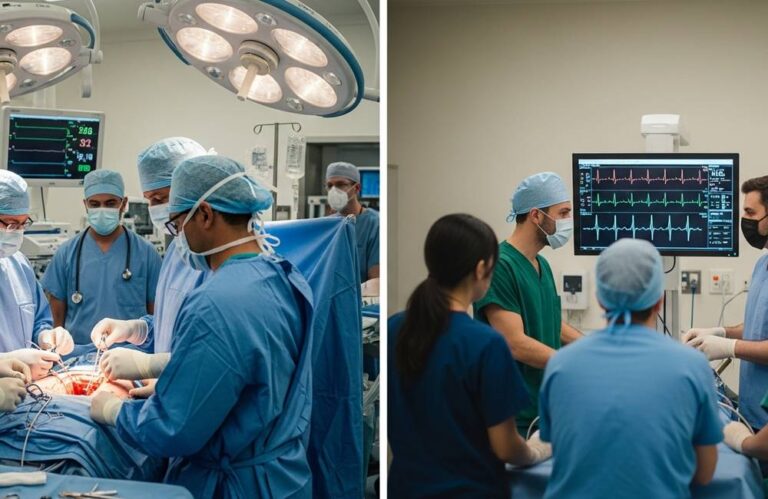
When someone experiences a heart attack, undergoes a stent procedure, or has cardiac surgery, the immediate focus is understandably on the acute medical treatment. But what happens after the hospital discharge is just as important. This is where cardiac rehabilitation plays a critical role.
Cardiac rehabilitation is a structured program delivered by healthcare professionals that combines exercise training, education, lifestyle guidance and psychological support to help patients recover and reduce their risk of future heart events. We would offer our clients complete holistic support where clients had access to highly qualified and specialised cardiac trained nurses, exercise physiologist, physiotherapists, dieticians, diabetic nurse educators, social work, psychology and pharmacists – all for free.
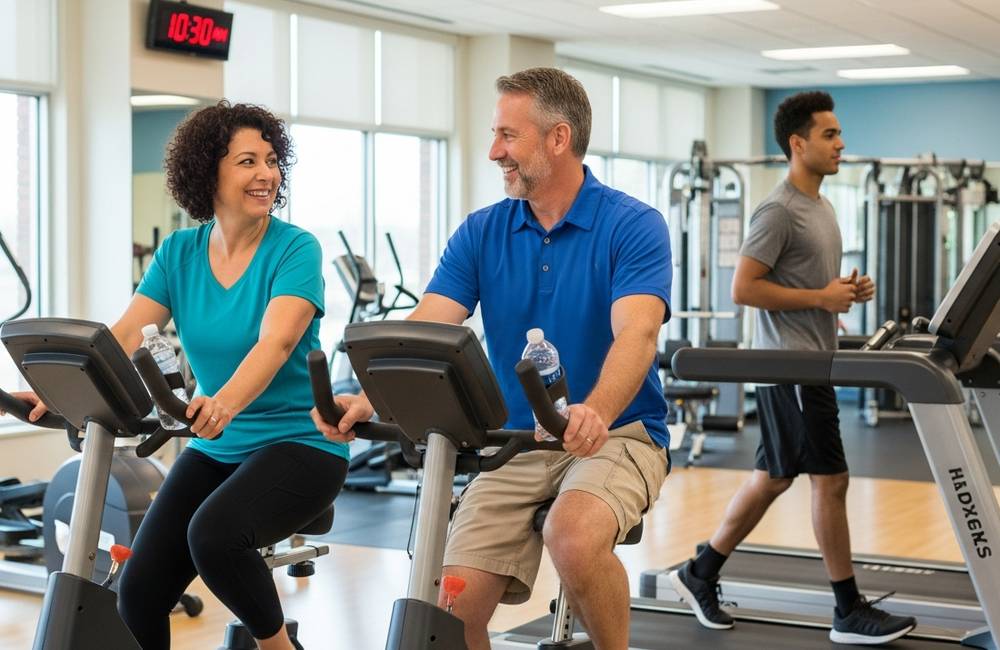
The Cardiac Rehab I worked in offered a 1/2 day education, bi-weekly short interactive education sessions and a 6 week exercise program tailored to each patient’s condition, fitness level and recovery goals. The benefits are well established.
Cardiac rehabilitation helps patients:
- rebuild cardiovascular fitness
- regain confidence after a cardiac event
- manage blood pressure and cholesterol
- improve medication adherence
- reduce anxiety and depression following cardiac procedures
- lower the risk of future cardiac events and hospitalisations
Despite these well-documented benefits, participation remains surprisingly low. The Australian Institute of Health & Welfare (AIHW) states that of almost 50,000 eligible cardiac patients (2013-2015), only 30% were referred to Cardiac Rehab and of those 28% attended Cardiac Rehab. This means the majority of patients missed an opportunity to significantly improve their long-term recovery.
There are many reasons for this. Some patients feel anxious about exercising again after a heart event. Others underestimate the importance of rehabilitation. Practical barriers such as travel, financial hardship, work commitments or caring responsibilities can also play a role.
Time and again I witnessed patients arrive feeling uncertain and anxious about their future. Many were hesitant to exercise or worried that their heart might not cope. Yet once they committed to our education and exercise program, something remarkable would happen. Their confidence would grow and their fitness would improve. Friendships would also form within the group. By the end of the program many participants enjoyed it so much, they would say: “I wish this program didn’t have to end.”
The beauty of Cardiac Rehab is that it’s far more than exercise. It is a supportive environment where people rebuild their health, regain confidence and learn the skills needed to protect their heart long term. For anyone recovering from a cardiac event, cardiac rehabilitation should not be viewed as optional. It should be considered an essential step in the journey back to health and I highly recommend any cardiac patient to ensure they have the opportunity to participate in cardiac rehab – you will enjoy it and learn so much.