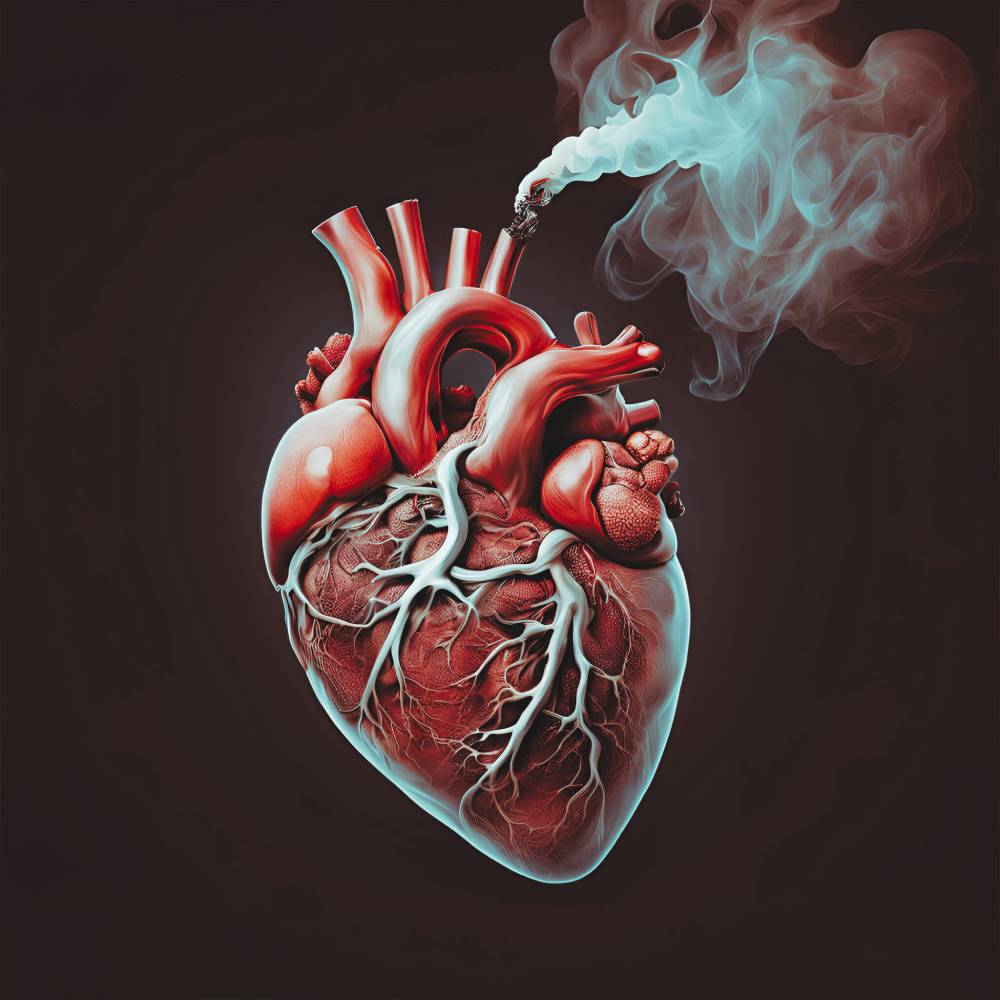
While vaping (or the use of e-cigarettes) is sometimes viewed as a “safer alternative” to smoking, the reality in Australia is that it carries significant health risks, many of which are only now becoming clear. The regulatory landscape is also changing rapidly, reflecting growing concerns by health authorities.
According to the Australian Institute of Health and Welfare (AIHW), lifetime use of e-cigarettes among people aged 14 to 17 rose from about 9.6% in 2019 to 28% in 2022-23. AIHW Among 18-24 year-olds, 49% reported ever using an e-cigarette AIHW. These trends highlight that vaping is increasingly common, especially amongst our younger Australians.
What Exactly Is Vaping?
Vaping involves inhaling an aerosol (often called “vapour”) and heating it in a battery-powered device. These liquids may contain over 200 harmful chemicals including nicotine, formaldehyde (used in cleaning liquids), acetone (used in nail polish) and benzene (used in weed killer) to name a few Royal Children’s Hospital. While some devices are marketed as nicotine-free, many still contain nicotine, even when it’s not clearly labelled. Department of Health Australia.
Key Health Risks of Vaping
Here are some of the main dangers of vaping especially relevant in the Australian context:
1. Nicotine Addiction & Toxicity
- Nicotine is a highly addictive drug. Healthdirect
- Vapes often contain high levels of nicotine; even when packaging claims “no nicotine”, this may not be accurate. Cancer NSW
- Symptoms of nicotine poisoning can include coughing, nausea, headaches, dizziness, vomiting, increased heart rate and in extreme cases seizures. Cancer NSW
- For young people, exposure to nicotine can interfere with brain development (which continues into the mid-20s).
2. Harmful Chemicals & Lung/Respiratory Damage
- Vapes can contain over 200 chemicals known to harm health. NSW Health
- Known harmful substances found in some e-liquids include formaldehyde, acetone, acrolein, heavy metals (e.g., nickel, tin, lead). Healthdirect
- Inhalation of the aerosol can cause irritation of mouth, throat, airways; persistent coughing; short-term breathing issues; may aggravate asthma. Department of Health Australia
- There is evidence of an increased risk of respiratory diseases when vaping regularly (especially with fine/ultra-fine particles being inhaled). tobaccoinaustralia.org.au
3. Mental Health & Developmental Concerns
- Among adolescents and young adults, vaping has been strongly associated with increased symptoms of anxiety, depression, perceived stress and other mental health issues. tobaccoinaustralia.org.au.
- Use in younger years when the brain is still developing may increase risks of cognitive impairment, attention issues and future substance-dependence. tobaccoinaustralia.org.au.
4. The Unknowns – the Long-Term Effects
- Because e-cigarettes have only been available since 2003, as opposed to traditional cigarettes, the full long-term health consequences are still not fully established. NSW Health.
- While some argue they may be less harmful than combustible cigarettes, “less harmful” does not mean “safe”. Cancer Australia
5. Gateway and Dual-Use Concerns
- Some research indicates young people who vape are more likely to start smoking traditional cigarettes. Cancer Australia
- Dual-use (vaping and smoking) means exposure to risks of both behaviours.
Why It Matters for Heart Health & Your Workplace
From a heart-health perspective and in the context of your work with HeartCore Group, these points are especially relevant:
- Nicotine increases heart rate, blood pressure, and may contribute to arterial damage over time.
- The respiratory effects of vaping reduce oxygen exchange and can increase strain on the cardiovascular system.
- Addiction or dependence on nicotine may undermine attempts to adopt healthier lifestyles (exercise, stress management, quitting smoking), all of which are important for preventing cardiovascular disease.
- In workplace settings especially in high-stress, shift-based industries, vaping may become a “shortcut” or coping mechanism to the detriment of one’s health.
- In younger workers or apprentices, early vaping may lock in habits and dependence that increases cardiovascular risk later in life.
Key Messages
- Vaping is not harmless and it’s not a substitute for cigarettes. It carries real risks of addiction, lung and respiratory damage, and may undermine heart health.
- The younger a person starts vaping especially under 25 while the brain is still developing, the more vulnerable their brain and body are to potential harm.
- The long-term picture is still emerging but the early evidence is enough to justify caution and preventive action.
- For workplaces especially, vaping prevention should be incorporated into broader cardiovascular health initiatives (exercise, nutrition, stress, weight-management) rather than treated as a standalone issue.
- It’s better to be proactive: education + policy + support = fewer risk factors before a cardiovascular event occurs.
To book a heart health presentation:
HeartCore Group delivers preventative cardiovascular disease education right at your workplace anywhere in Australia. Attendees are educated on the modifiable risk factors that they can implement immediately.
When cardiovascular disease is 80% modifiable, it’s not a personal responsibility but also a corporate responsibility to increase health resilience amongst all employees and business owners.
Disclaimer: This post contains information only. For any health concerns please seek medical advice from your health practitioner.